Property Debris Removal
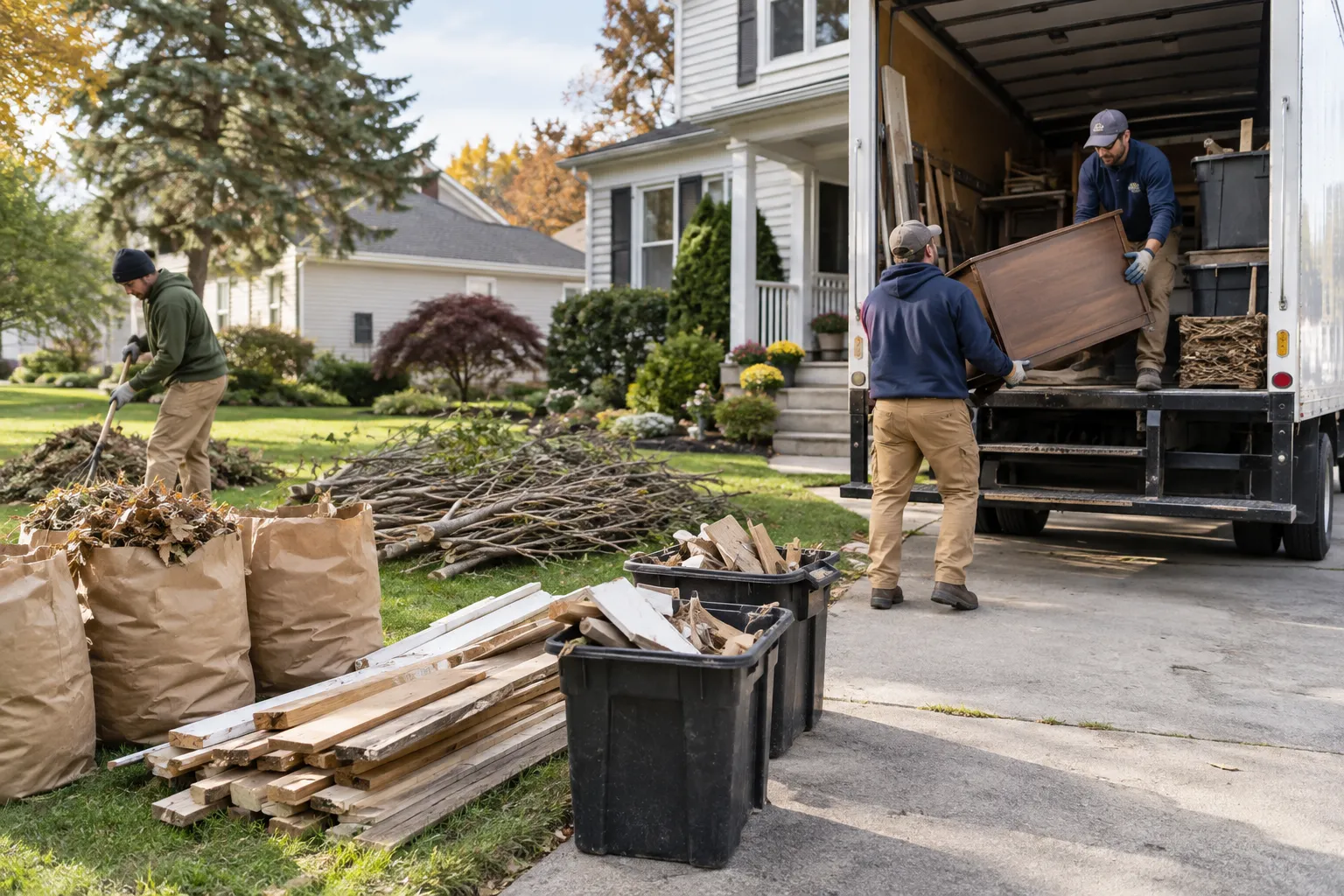
Property debris should be separated from chemicals, fuel, propane tanks, and other restricted materials. Show the pile, describe the material, and confirm the loading route before scheduling.
Items and spaces to discuss
- Bagged ordinary household debris
- Nonhazardous wood and loose materials
- Yard and garage cleanup contents
- Small fixtures already detached
- Mixed debris described before pickup
Details that shape the work
- Material type and volume
- Loose versus bagged condition
- Weight and sharp edges
- Exterior access and weather
- Restricted materials requiring another outlet
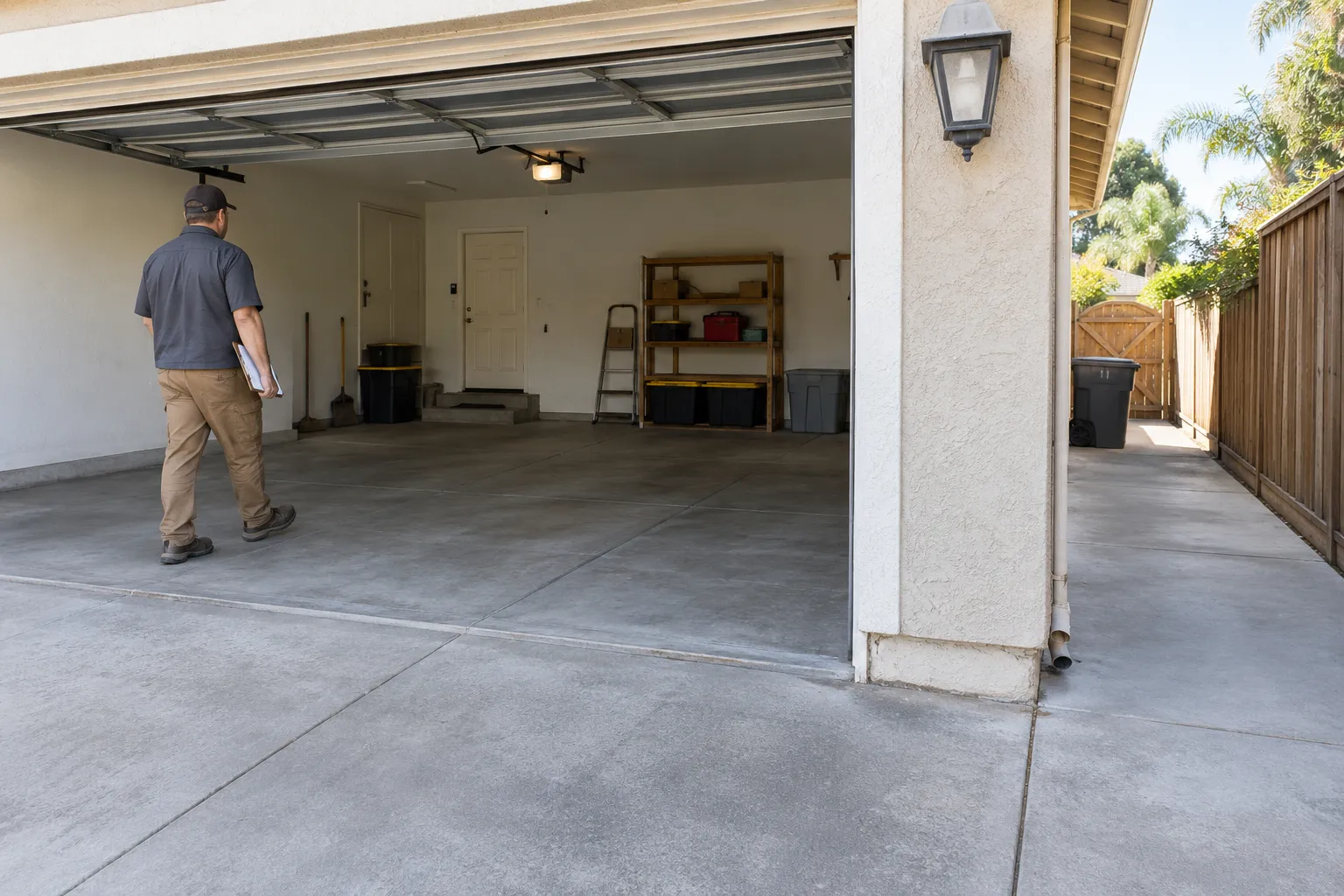
Protect the keep pile and clear the route.
Move private papers, medication, keys, cash, jewelry, photographs, and undecided items out of the working area. Identify delicate floors, narrow turns, and any room that is not part of the job.
Read the companion guideFrom walkthrough to final room check
- DescribeSet the boundaries
List rooms, structures, contents, access, and the property deadline.
- ConfirmApprove scope and price
Review exclusions and the price before loading begins.
- CheckWalk the property
Confirm the approved rooms and keep areas before the final load leaves.
Questions to settle before scheduling
Do we need to sort everything first?
You do not need to create a perfect inventory, but documents, valuables, medication, keepsakes, and undecided items should be separated from the removal area.
How is the estimate prepared?
Mack’s states that junk-removal pricing is based on truck space and that the price is provided before work begins. Room count, item volume, weight, access, and carrying distance also belong in the conversation.
Can hazardous materials go with ordinary debris?
No. Fuel, propane, paint, chemicals, mercury devices, and unknown containers need an approved separate route. Erie County publishes current household hazardous-waste options.
Ready to define the cleanout?
Email photos of the rooms, the route, and the items approved to leave.